Have you ever walked into a room and felt it looked finished, polished, and complete, even though you could not say why? Often, the answer is in the details at the top of the walls. Crown molding is one of those details. It is a small feature that can make a big difference.
If you are wondering what is crown molding, how it works, and whether it is right for your home, this guide explains everything in simple terms. You will learn what it is, the different types, how it changes the look of a space, and what to consider before adding it.
What Is Crown Molding?
Crown molding is a decorative strip that runs along the top of a wall where it meets the ceiling. It sits at an angle, which creates a smooth, curved transition between the two surfaces. Instead of a sharp corner, you see a clean, finished edge.
The name comes from the idea of a crown sitting at the top of the room. It has been used in homes for centuries, and it still remains a popular choice today. Some designs are simple and clean. Others have detailed curves and layered shapes for a more classic look.
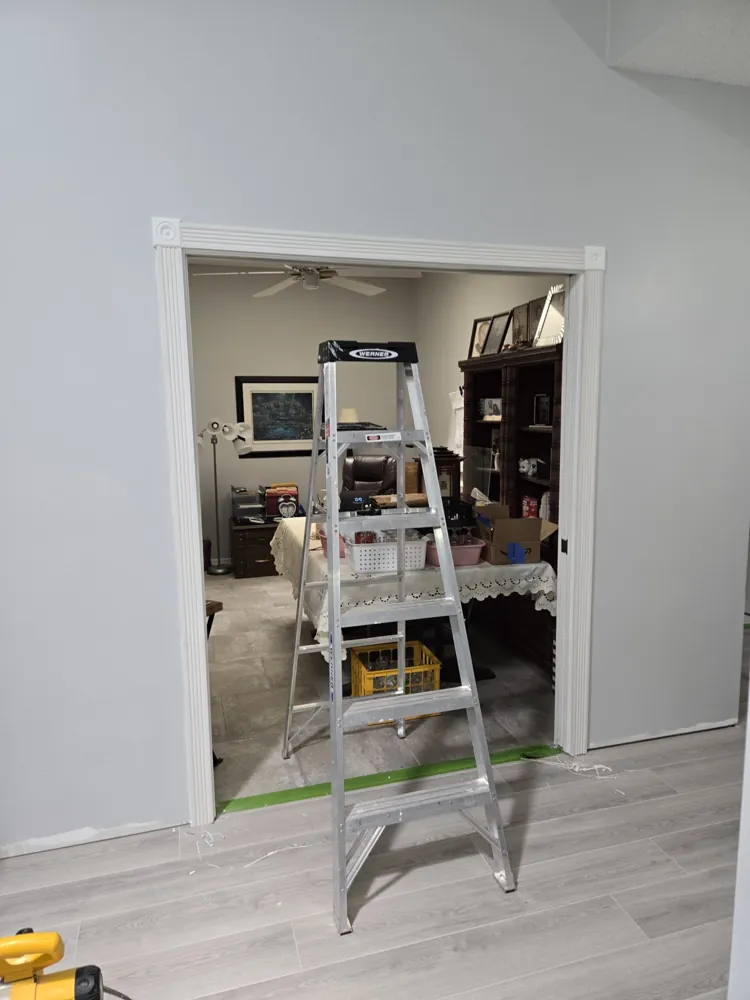
Crown molding is part of a broader group of finishing touches called trim work. Trim includes baseboards, door casing, window casing, and chair rails. Together, these pieces frame a room and give it a complete look.
How Does Crown Molding Change a Room?
Adding crown molding can shift the feel of a space in several ways. Here are the biggest changes homeowners notice.
It Adds Character and Style
A plain wall and ceiling join can look flat. Crown molding adds depth and shape, which gives the room more personality. Whether your taste is modern, traditional, or somewhere in between, there is a style that fits.
It Makes a Room Look More Finished
Many people say a room looks “complete” once trim is added. Crown molding hides the rough line where the wall meets the ceiling and adds a clean border around the room.
It Draws the Eye Upward
Because molding sits high on the wall, it guides the eyes up and across the ceiling. This can make a room feel taller and more open, especially when the molding is painted in a light color that blends with the ceiling.
It Can Hide Imperfections
Over time, small cracks and uneven lines can appear where the walls and ceiling meet. Crown molding covers these flaws and gives you a straight, neat line instead. This is a helpful benefit for older homes where walls and ceilings may not be perfectly even.
It Can Increase Perceived Value
Quality trim work gives a home a more upscale feel. While it will not replace bigger upgrades, it is a relatively affordable way to make a space look more refined, which many buyers appreciate.
Common Types of Crown Molding
Crown molding comes in different materials and styles. Choosing the right one depends on your budget, your room, and the look you want.
Wood Crown Molding
Wood is a classic choice. It looks natural, takes paint and stain well, and can be cut into detailed profiles. It is a strong option for living rooms, dining rooms, and entryways. Wood can be affected by moisture, so it needs proper sealing in humid areas.
MDF Crown Molding
MDF is a engineered wood product that is smooth, affordable, and easy to paint. It is popular because it has a clean finish with no knots or grain. It works well in dry indoor spaces, but it should be kept away from areas with water exposure.
Polyurethane or Foam Molding
These lightweight options resist moisture and are easy to handle. They are a good choice for bathrooms, kitchens, and other spaces where humidity can be an issue.
Plaster Molding
Plaster offers very detailed and ornate designs. It is more common in traditional or historic homes and usually costs more to install.
Popular Crown Molding Styles
Style matters just as much as material. A few common looks include:
- Simple and clean: Straight lines and light curves for a modern feel
- Traditional: Layered shapes and detailed edges for a classic look
- Dentil: Small block shapes along the edge for a decorative pattern
- Cove: A single smooth curve that is easy and understated
A good rule is to match the molding size to your ceiling height. Taller ceilings can handle larger, bolder molding. Lower ceilings usually look better with a slimmer profile so the room does not feel crowded.
Where Can You Use Crown Molding?
Crown molding is not just for formal rooms. It can work almost anywhere.
- Living rooms and dining rooms: For an elegant, welcoming feel
- Bedrooms: To add warmth and a finished look
- Kitchens: Above cabinets to close the gap and add detail
- Bathrooms: With moisture resistant materials for a clean, upgraded look
- Hallways and entryways: To make a strong first impression
Some homeowners also use it above built in shelves or around fireplaces to add interest and structure.
What to Consider Before Installing Crown Molding
Before you start, think through a few key points.
Your Ceiling Height and Room Size
Match the size of the molding to the room. Oversized molding in a small room can feel heavy. Very thin molding in a large room can look lost.
Your Paint Color
Crown molding is usually painted white or a light shade, but you can use a bold color for contrast. A fresh coat of paint is often part of the process, so it helps to plan painting at the same time.
The Condition of Your Walls
Uneven walls or damaged drywall can make installation harder and affect how the molding sits. Repairing drywall first gives you a smoother, cleaner result.
The Skill Level Required
Crown molding is one of the trickier trim projects. The pieces sit at an angle, and corners need precise cuts so they fit together neatly. Even a tiny mistake can create visible gaps. This is why many homeowners choose professional crown molding installation instead of a DIY approach.
DIY or Professional Installation?
If you enjoy home projects, you may be tempted to try it yourself. Straight runs along a wall are manageable with the right tools. The challenge comes at the corners, where angles must be cut exactly. Inside corners, outside corners, and uneven walls all require careful measuring and fitting.
A professional can cut clean joints, fill small gaps, and finish the surface so the molding looks like it belongs in the room. They also have the tools and experience to work safely at height and to handle long pieces without damage. If you want a polished look the first time, working with a skilled carpenter is often the safest choice.
Care and Maintenance Tips
Once installed, crown molding needs very little care. A few simple habits keep it looking good:
- Dust it lightly every few weeks
- Touch up chips or scuffs with matching paint
- Fix small cracks with flexible caulk
- Watch for water stains, which may signal a leak
If you notice large gaps, cracks, or pieces pulling away, it may be time for a repair.
Add the Finishing Touch With Professional Help
At Mend & Manage, we provide crown molding and trim services as part of our wide range of home improvement and carpentry work. We can also help with drywall repair, painting, and other upgrades, so your project looks smooth from start to finish. We offer free, no obligation estimates, and our process is simple. We assess your needs, complete the work with care and on time, and make sure the result meets your expectations.
If you are ready to add style and a finished look to your home, contact our team and book a service today.
Frequently Asked Questions
1. What is crown molding used for?
It is used to cover the joint where the wall meets the ceiling. It adds style, hides small flaws, and gives the room a finished look.
2. Does crown molding make a room look bigger?
It can. A slim profile painted in a light color helps draw the eye upward, which can make the room feel taller and more open.
3. Which material is best for crown molding?
It depends on the room. Wood is a classic choice, MDF is smooth and affordable, and foam or polyurethane resists moisture in bathrooms and kitchens.
4. Can I install crown molding myself?
Simple straight runs are possible, but corners are tricky and need precise cuts. Many homeowners hire a professional for a cleaner finish.
5. Does crown molding work in small rooms?
Yes. Just choose a smaller, simpler profile so the room does not feel crowded.
See our crown molding and trim services for help with your project. Related reading: how wood, MDF, and PVC trim compare.