Whether it is a doorknob dent, a water stain, or a hole left behind after moving furniture, drywall damage tends to happen when you least expect it. One of the first questions most homeowners ask is simple, how long is this actually going to take to fix. The answer depends on a few different factors, and this guide breaks down what to expect from start to finish.
How Long Does Drywall Repair Usually Take?
The timeline for drywall repair varies quite a bit depending on the size and type of damage involved. Some repairs can be wrapped up in an afternoon, while others take several days to complete properly.
Small Repairs and Minor Damage
Minor damage, like small nail holes, hairline cracks, or a dent from a doorknob, usually falls into the quickest category of repairs. These fixes often involve applying joint compound, letting it dry, sanding it smooth, and touching up with paint.
For small repairs, the actual hands on work might only take an hour or two. The bigger factor here is drying time between coats, which can add up depending on humidity and how many layers are needed.
Larger Repairs and Extensive Damage
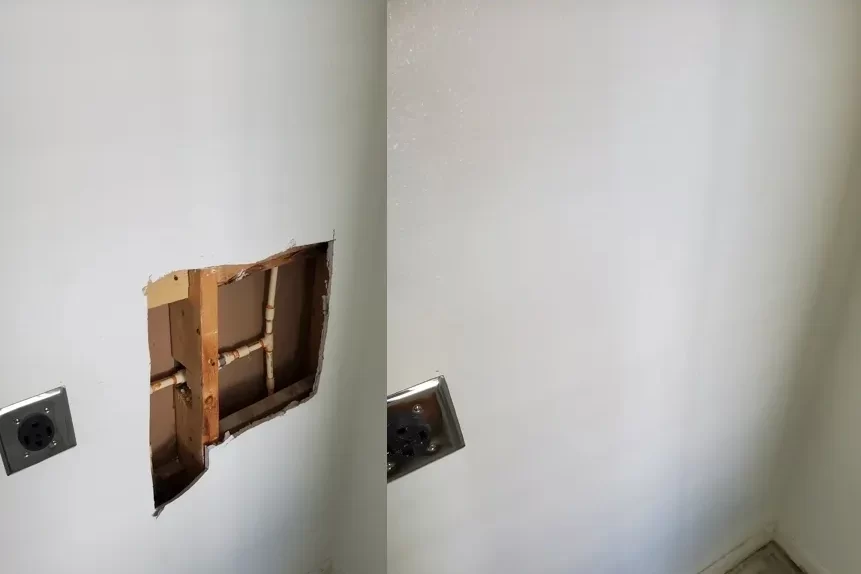
Larger repairs, such as a big hole, water damaged sections, or damage that affects multiple layers of drywall, take considerably longer. These projects often require cutting out damaged sections, installing new drywall pieces, taping the seams, and applying several coats of joint compound.
For more extensive damage, the process can stretch across several days, mostly due to the need for each layer of compound to fully dry before sanding and applying the next one. Rushing this part usually leads to a rougher finish, so patience really does matter here.
What Affects the Drywall Repair Timeline?
A few key factors determine how quickly a drywall repair project can be completed, and understanding them helps set realistic expectations from the start.
Size and Type of Damage
Not all drywall damage is created equal. A small hole from a picture hook behaves very differently than a large section damaged by water or impact.
Some damage types that affect timeline include:
- Small holes or dents, which are usually quick fixes
- Cracks along seams, which may need mesh tape reinforcement
- Water damaged drywall, which often requires addressing the moisture source first
- Large holes, which typically need a new drywall patch cut and secured in place
Water damage in particular can extend the timeline significantly, since the area often needs to dry out completely before any repair work can safely begin.
Drying and Finishing Requirements
Joint compound needs time to dry between coats, and this is usually the biggest factor stretching out a repair timeline. Most repairs need at least two to three coats, with drying time in between each one.
Humidity and room temperature also play a role. Compound dries slower in humid conditions, which can add extra time to an otherwise straightforward repair. Rushing this step by sanding or painting too early often results in a visible, uneven finish that ends up needing rework later.
How Long Does Hole in Drywall Repair Take?
Hole in drywall repair timelines depend heavily on the size of the hole itself.
- Small holes, under about two inches, can often be patched and finished within a single day, including drying time
- Medium holes usually require a patch kit or mesh, plus multiple coats, stretching the timeline to one or two days
- Larger holes that need a full drywall patch cut to size typically take two to three days when accounting for installation, taping, and multiple drying cycles
Larger holes involve more steps overall, including cutting a replacement piece, securing it properly, and blending the seams so the repair is not visible once painted.
Understanding the Drywall Patching Process
Drywall patching generally follows a similar process regardless of damage size, though the number of steps and drying time varies.
A typical patching process includes:
- Cleaning and preparing the damaged area
- Cutting away loose or damaged drywall if necessary
- Applying a patch, using mesh, a patch kit, or a cut piece of drywall depending on size
- Taping the seams for a smooth transition
- Applying joint compound in multiple thin coats
- Sanding between coats for a seamless finish
- Priming and painting to match the surrounding wall
Each of these steps builds on the last, which is part of why rushing the process rarely leads to a clean result. Thin, even coats with proper drying time between them almost always produce a better outcome than trying to speed things along.
How Long Does Drywall Damage Repair Take?
Drywall damage repair timelines can range from same day fixes to multi day projects depending on the underlying cause of the damage.
- Cosmetic damage, like small dents or scuffs, usually takes a day or less
- Structural damage, such as cracks caused by settling, may need additional reinforcement, extending the timeline
- Damage caused by moisture or mold often requires addressing the root cause first, which can add several days before repair work even begins
It is worth noting that repairing visible damage without addressing an underlying issue, like a leak, often leads to the same problem reappearing later. Taking the time to identify the actual cause is just as important as the repair itself.
What to Expect From Drywall Repair Services
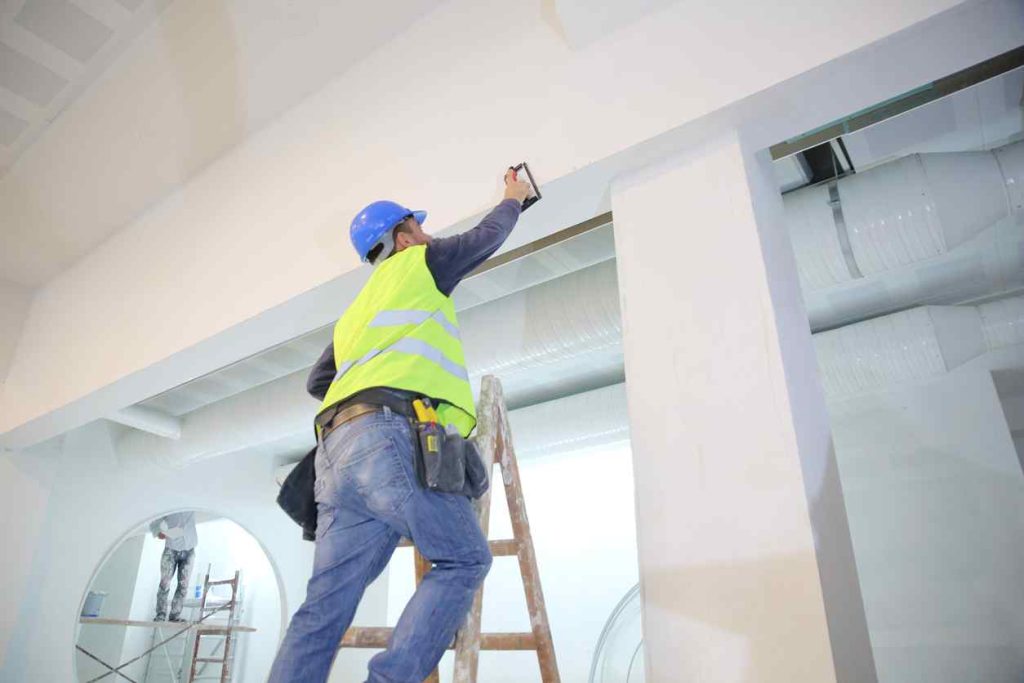
When hiring professional drywall repair services, it helps to know what the process typically looks like from start to finish.
Most services will follow steps like:
- An initial assessment of the damage
- A quote outlining cost and estimated timeline
- Preparation of the work area, including covering furniture and flooring
- The actual repair work, including patching and multiple drying cycles
- Sanding, priming, and painting to match the existing wall
- A final walkthrough to confirm the repair meets expectations
Professional services generally move more efficiently than a first time do it yourself attempt, since experienced contractors know how to properly time each drying stage without unnecessary delays.
How Residential Drywall Repair Projects Work
Residential drywall repair projects often involve slightly different considerations compared to commercial jobs, mainly because homes are occupied during the process.
Some things unique to residential projects include:
- Working around furniture and daily household activity
- Managing dust control, especially in occupied living spaces
- Matching existing wall texture, which can vary from smooth to heavily textured finishes
- Coordinating repair timing around household schedules
Good residential drywall repair professionals usually take extra care with dust containment and cleanup, since this tends to matter more in a lived in home compared to an empty space.
When Should You Hire a Drywall Repair Professional?
While small, minor repairs are often manageable as a do it yourself project, there are situations where hiring a professional makes more sense.
Consider hiring a professional if:
- The damage is larger than a few inches
- There are signs of water damage or mold
- The wall has textured finishes that are difficult to match
- Cracks keep reappearing, suggesting a structural issue
- You are short on time and want a faster, more polished result
Professionals bring both speed and experience to the table, particularly when it comes to texture matching and achieving a seamless finish that blends invisibly with the surrounding wall.