A fresh coat of paint is one of the easiest ways to transform a space, but getting it done right involves more than just picking a color and grabbing a roller. Whether you are updating one room or repainting the entire exterior of your home, hiring professional painting services can save a lot of time and deliver a much more polished result. This guide covers everything from costs and preparation to what to expect once the work begins.
What Do Painting Services Include?
Painting services cover far more than just applying paint to a wall. Professionals typically handle preparation, priming, and finishing work as well, all of which play a big role in how the final result looks and how long it lasts.
Interior and Exterior Painting Services
Interior painting services usually focus on walls, ceilings, trim, and doors, while exterior painting services deal with siding, fascia boards, shutters, and sometimes decks or fences. Each comes with its own set of challenges.
Interior work tends to prioritize clean lines, consistent coverage, and protecting furniture and flooring during the process. Exterior work, on the other hand, has to account for weather conditions, surface durability, and paints that can withstand sun exposure and moisture over time.
Surface Preparation and Finishing
Preparation is honestly where most of the quality difference comes from between a professional paint job and a rushed one. This usually includes:
- Cleaning surfaces to remove dust, grease, or mildew
- Filling cracks, holes, or dents before painting
- Sanding rough spots for a smooth finish
- Applying primer, especially on new or heavily patched surfaces
- Taping and covering areas that should not be painted
Skipping or rushing these steps is one of the most common reasons paint jobs end up looking uneven or start peeling sooner than expected.
How Much Do Painting Services Cost?
Painting costs vary quite a bit depending on the scope of the project, so it helps to understand what actually drives the final price.
Factors That Affect Painting Costs
Several factors influence how much painting services will cost:
- Size of the area being painted
- Number of coats needed for proper coverage
- Condition of the existing surface, since more prep work adds cost
- Type and quality of paint chosen
- Height and accessibility, especially for exterior work
- Whether trim, doors, or ceilings are included
A small room with walls in good condition will cost significantly less than a full exterior repaint on a home that needs extensive prep work and multiple coats.
Labor, Materials, and Additional Expenses
Labor typically makes up a large portion of painting costs, since prep work, careful application, and cleanup all take time. Materials, including paint, primer, tape, and supplies, add to the total as well.
A few additional expenses that sometimes get overlooked include:
- Furniture moving, if not handled by the homeowner beforehand
- Repairs needed before painting, like patching drywall
- Specialty finishes, which often cost more than standard flat or eggshell paint
- Equipment rental for exterior jobs, such as ladders or scaffolding
Getting a detailed quote upfront helps avoid surprises once the project is underway.
How to Prepare Your Home for Painting
A little preparation on your end can make the entire painting process go much more smoothly, whether you are hiring professionals or doing it yourself.
Some helpful steps include:
- Clearing furniture away from walls or covering it with protective sheeting
- Removing wall art, curtains, and outlet covers
- Repairing minor wall damage ahead of time, if possible
- Choosing paint colors and finishes in advance
- Confirming access to exterior areas, including trimming plants near walls
Taking care of these small details beforehand means painters can get straight to work rather than spending time on setup that could have been handled ahead of time.
Interior Painting Services for Different Rooms
Different rooms often call for different approaches when it comes to interior painting services, mainly due to how each space is used.
- Bedrooms and living rooms often use flat or matte finishes, which give a soft, elegant look but show marks more easily
- Kitchens and bathrooms usually benefit from semi gloss or satin finishes, since these are more resistant to moisture and easier to wipe clean
- Hallways and high traffic areas tend to do well with eggshell or satin finishes, which balance durability with a smooth appearance
- Ceilings almost always use flat, non reflective paint to minimize the appearance of imperfections
Choosing the right finish for each space is just as important as choosing the right color, since the wrong finish can lead to a room that looks great initially but shows wear much faster than expected.
Exterior Painting Services and Preparation
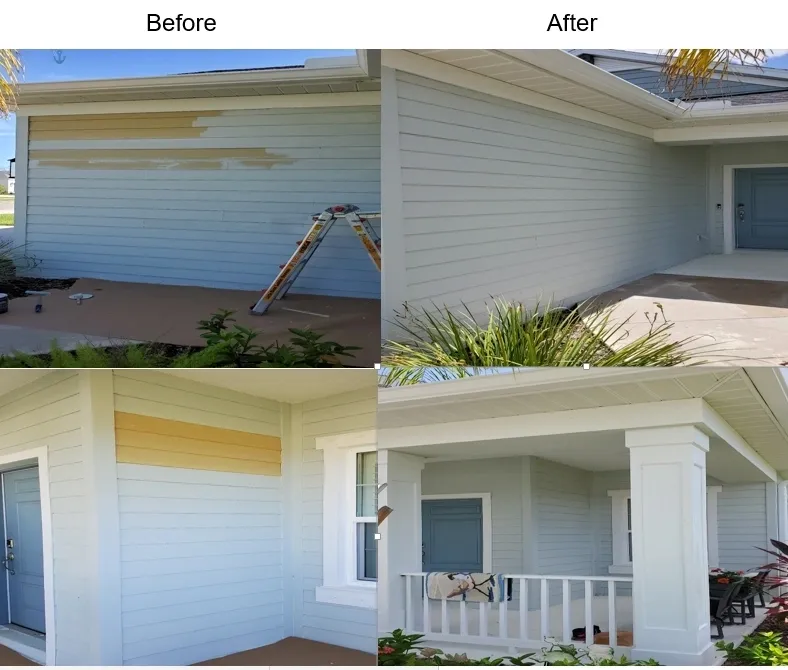
Exterior painting services involve a bit more preparation than interior work, mainly because the surfaces are exposed to weather and tend to show more wear over time.
Typical exterior preparation includes:
- Power washing to remove dirt, mildew, and loose paint
- Scraping and sanding peeling or cracked areas
- Repairing damaged siding, trim, or caulking
- Priming bare wood or repaired sections
- Protecting landscaping, walkways, and windows during painting
Weather also plays a bigger role with exterior projects, since paint needs the right temperature and humidity conditions to cure properly. Most professional painters will schedule around forecasted rain or extreme temperatures to avoid issues with adhesion and drying.
Residential Painting Services Explained
Residential painting services generally cover the full range of interior and exterior work needed for a home, often handled by a single company from start to finish.
A typical residential painting project includes:
- An initial consultation and color consultation, if needed
- A detailed quote outlining scope and cost
- Surface preparation and repairs
- Priming and multiple coats of paint as needed
- Cleanup and a final walkthrough
Many residential painting companies also offer guidance on color selection, finish types, and paint quality, which can be especially helpful if you are unsure what will work best for your space.
How to Choose Professional House Painters
Choosing the right professional house painters makes a noticeable difference in both the quality of the finished work and how smoothly the project goes overall.
When evaluating painters, it helps to look at:
- Reviews and photos of previous projects
- Proper licensing and insurance
- Detailed written estimates that outline what is included
- Experience with the specific type of project, interior versus exterior
- Warranty coverage on workmanship
Getting a few different quotes is generally worthwhile, since pricing and included services can vary more than expected between companies. A slightly higher quote that includes thorough prep work often delivers better long term results than a cheaper option that skips important steps.
What to Expect From House Painting Contractors
Once you hire house painting contractors, knowing what the process typically looks like helps set clear expectations.
Generally, the process includes:
- A walkthrough to assess the project and discuss color or finish preferences
- Preparation of the space, including covering furniture and taping trim
- Surface prep work, such as patching, sanding, and priming
- Application of paint, usually in two coats for even coverage
- A final inspection to check for missed spots or touch ups needed
Good contractors will communicate clearly about timeline expectations and let you know in advance if weather or unexpected repairs might affect the schedule. Asking questions upfront about their process helps avoid confusion once the work is underway.